Niagara Falls illuminated in color at night with mist rising into the dark sky
Culture & Legend Onguiaahra · The Thundering Waters

Stories in the Mist

Before Niagara became a postcard, a boat tour, or a border landmark, it was a powerful sacred place. This travel journal follows the cultural memory of Onguiaahra, Lelawala, Hinum, and the spiritual meaning carried by the roar, the river, and the rising mist.

Onguiaahra
the strait / thundering waters
Lelawala
Maid of the Mist legend
Hinum
thunder spirit
3
falls, one sacred sound
Field Note 01

Onguiaahra: more than a destination

Long before European visitors reached the gorge, Niagara Falls held deep meaning for Indigenous peoples of the region, especially communities connected to Haudenosaunee traditions. The name Onguiaahra is commonly connected with the idea of a strait or thundering waters a name that captures both the geography and the sound of the place.

The falls were not simply scenery. The sound was presence. The mist was a visible bridge between earth and sky. The river was a living force that carried warnings, blessings, stories, and memory through generations.

The roar is not background noise. At Niagara, the water speaks first.

This page keeps the same travel-blog lens as the other Niagara guides, but slows the pace: not just where to stand or what to photograph, but how to listen.
The Legends

Three stories carried by the water

The original page focused on the Maid of the Mist, Hinum, and Niagara as a place of spiritual connection. This version presents them as travel-journal story cards, with more context for visitors reading the landscape.

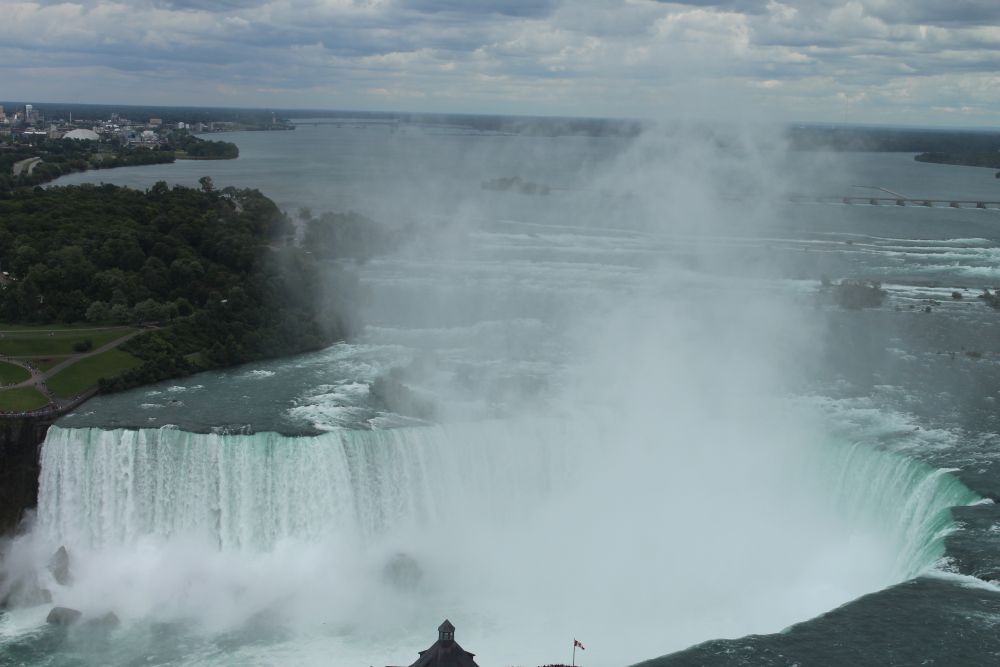
Daytime view of Niagara Falls with mist rising from Horseshoe Falls The Thundering Waters
Place Name

Onguiaahra

The name is often linked to the strait and to the thunder-like sound of the river. It reminds visitors that Niagara is not only a visual landmark; it is also a soundscape. You hear it before you understand it.

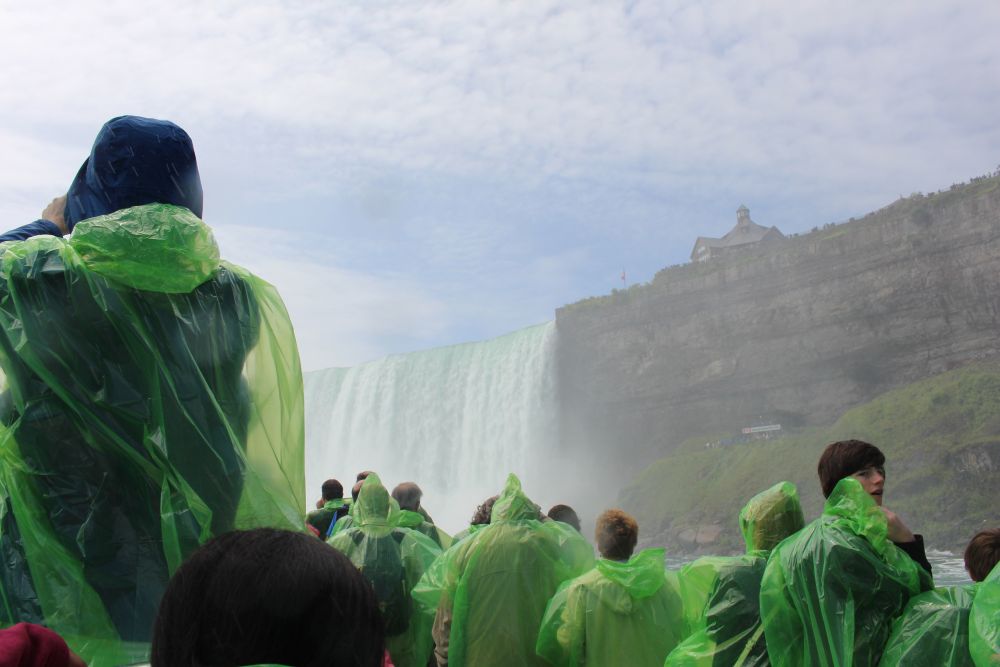
Boat tour entering the mist near the base of Niagara Falls Maid of the Mist
Lelawala

The woman in the canoe

In the best-known legend, Lelawala, grieving the death of her husband, enters the rapids in a canoe. She is saved by Hinum, the thunder spirit who lives behind Horseshoe Falls, and her spirit becomes forever tied to the mist.

Niagara Falls at midnight with the gorge in shadow Thunder Spirit
Hinum

The voice behind the falls

Hinum is remembered as the thunder spirit whose voice is heard in the constant roar. In the legend, he dwells behind Horseshoe Falls with his sons and protects the people from danger carried through the river.

Sacred Connection

The mist as a bridge

The original story describes the mist rising into the sky as a connection with the spirit world. Standing near Table Rock or Prospect Point, the idea becomes easy to understand: the water does not simply fall; it becomes cloud, sound, light, and motion.

For visitors, that means the most respectful way to experience Niagara is not to rush through it. Stay long enough for the mist to change, for the light to shift, and for the roar to become part of the memory.

The River as Warning

Power before spectacle

The legend of Hinum and the serpent points to a basic truth of Niagara: the river is beautiful, but it is never tame. Its power has always demanded respect. Trails, railings, boats, and overlooks make the falls visitable, but the old stories preserve the deeper warning the water is alive with force.

Cultural Memory

Stories passed through generations

The legends of Lelawala and Hinum have been retold in many forms, including tourism-era versions of the Maid of the Mist. A thoughtful travel guide should treat them as living cultural memory, not just entertainment. They add depth to every viewpoint, especially places where you can feel the spray and hear the echo from the gorge walls.

Visit Respectfully

A thoughtful way to experience Niagara

The falls are a tourist icon, but they are also a cultural landscape. These simple habits help turn a sightseeing stop into a more respectful visit.

01

Learn before you arrive

Read the cultural story before stepping onto the overlook. The same view feels different when Onguiaahra, Lelawala, and Hinum are already in your mind.

02

Slow down at the edge

Spend a few minutes without a camera. Listen to the water, watch the mist, and notice how the rainbows appear and vanish with the sun.

03

Treat stories carefully

Legends change through retelling. Avoid presenting one tourism version as the only truth; acknowledge that these stories carry cultural meaning.

The Full Guide

Keep exploring Niagara